AhlulBayt News Agency (ABNA): Reports from India indicate that 2025 did not mark the beginning of a new trajectory, but rather the consolidation and normalization of phenomena that should never have been accepted, including Islamophobia, hate speech, collective punishment, and institutionalized discrimination against Muslims.
For many Indian Muslims, developments throughout the year did not represent a sudden rupture but the continuation of an established pattern in which injustice no longer required justification and persisted openly, with little meaningful resistance. Public humiliation, profiling, selective punishment, and collective blame increasingly became part of everyday life.
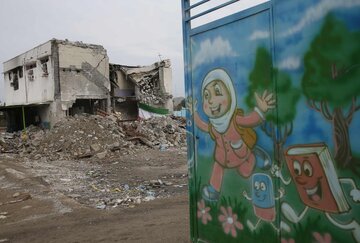
Within this context, the demolition of homes by bulldozers, officially framed by authorities as enforcement against “illegal construction” emerged as a powerful symbol of the broader trend. These demolitions frequently followed communal tensions or allegations of violence and, in practice, disproportionately targeted Muslim neighborhoods, homes, and small businesses. Although courts intervened in some cases, the underlying message remained clear: punishment could be collective, swift, and public, even before guilt was established.
The reports also document a sharp rise in hate speech during 2025. Language once confined to the margins entered the political mainstream and was employed by some elected officials, religious figures, and political activists. The absence of serious consequences demonstrated that such rhetoric was not treated as a political liability and, in some cases, carried electoral utility.
This environment further fueled on-the-ground violence. Hate crimes, mob attacks, and fatal assaults against Muslims continued, while judicial processes in many instances were slow and uneven, reinforcing a sense of impunity among perpetrators and deepening victims’ mistrust in state institutions.
Sections of the media have also come under criticism. Certain outlets amplified Islamophobic narratives, portraying Muslims as “others” or as a “threat,” while reframing economic and social failures as identity-based conflicts.
At the same time, the reports stress that 2025 was not solely a story of victimhood. Muslim communities, despite severe resource constraints, continued to resist through legal avenues, grassroots mobilization, independent journalism, and acts of solidarity.
Ultimately, the year 2025 stands as a serious warning for India, highlighting how the normalization of discrimination and hatred can erode democratic foundations, undermine equal citizenship, and place the very notion of justice at risk.
**************
End/ 345E